All Seasons Blog

Sarah Sivright Sarah Sivright

Good Books

I'm Sarah Sivright, coming out of retirement to work part time at Inver Glen. Due to my hours, you might not even see me, depending on your child's schedule, but I like to think my spirit has sunk deep into this school.

Amy Lemieux and I are co-founders of All Seasons Preschool, and I got to spend many magical years in the classroom and the art studio.

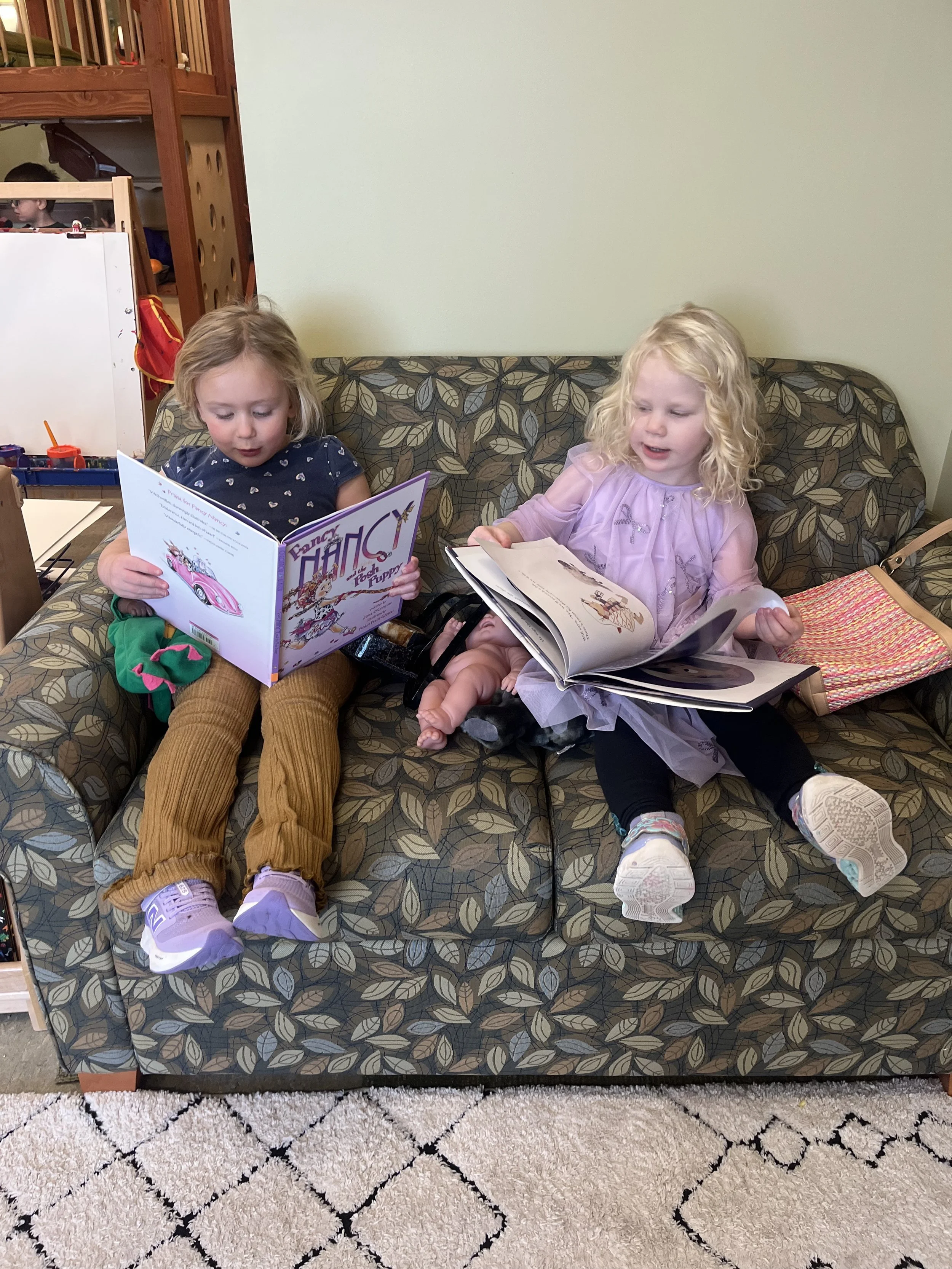
Most importantly, I am a lover of children's books. An impressive library filled with high-quality children's literature was one of our top priorities when we opened the schools.
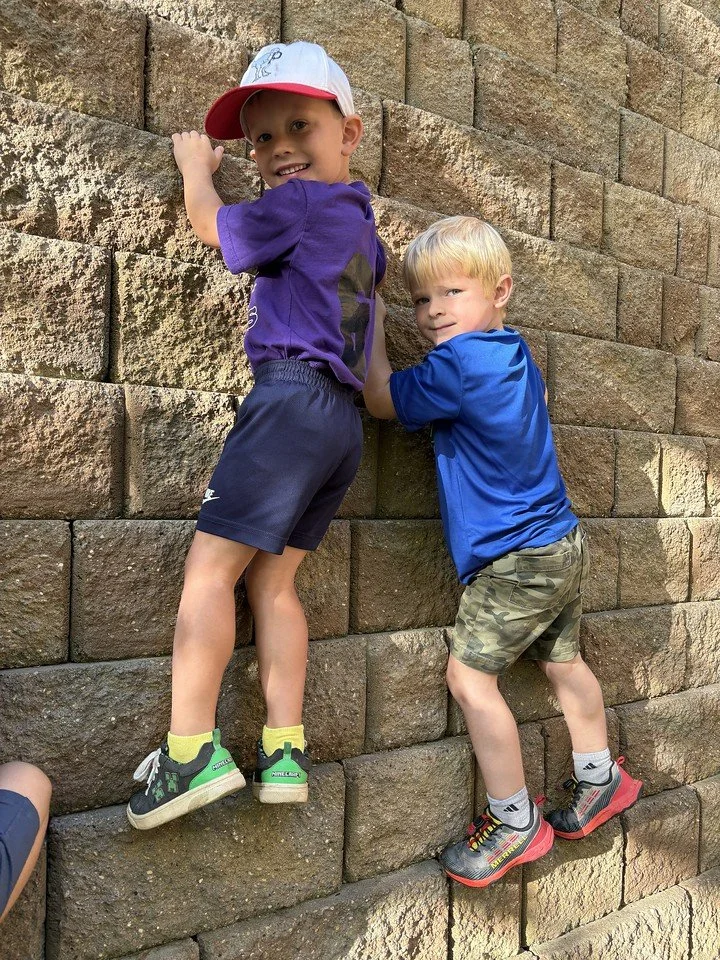
I hope you find the following useful when selecting good children's literature. Have a wonderful school year!

What are “good books?”

There are classics, which by their longevity in the “beloved” category are clearly Good Books. Folk/fairly tales and nursery rhymes were the classic staple in our grandparent’s era. Now there is a huge collection of books written specifically for young children. But, like the little girl with the curl in the middle of her forehead, some are very good, and some are very, very bad.* What I’ve recommended are personal choices, as all books must be. My choices are partially guided by the belief that young children are routinely under-estimated. “Big messages” are delivered in a heavy-handed, preachy manner, with little or no subtlety. (In that category, Thunder Cake comes the closest to that failing, but has other good qualities.) Also, humor is over-done, like a slapstick comedy. Some books are fun in that way, but are not usually the ones requested over and over, one of the marks of a Good Book. And poorly illustrated books are just off my list. *[See the nursery rhyme “There was a little girl who had a little curl…”I was going to include some examples of Bad Books, but that didn’t seem very nice.]

Promoting a child’s love of books involves several key pieces:

  •  Being read to from an early age

  •  Watching the people in their lives enjoy reading

  •  Being exposed to books with text that speaks in some thoughtful, creative way to the child’s mind and illustrations that are beautiful, creative or charming

A note about the illustrations—the Newberry Award is given by the American Library Association to the author of the most distinguished American children’s book, and the Caldecott is given to the artist of the best picture book, so the “experts” put a high value on both.

Some of my favorites…

Big message

Fire Cat—Esther Averill (a very big exception to my illustration standard!)

Crow Boy—Yashima

Mr. Gumpy’s Outing—Burningham

Owl Babies—Waddell

Thunder Cake—Polacco

Extra Yarn—Barnett

Anything by Leo Lionni

Drama—just scary enough for preschoolers

Three Robbers--Ungerer

Edward and the Pirates—McPhail

Abiyoyo—Seeger and Hays

Tough Boris—Mem Fox

Humor

The Mitten--Tresselt

Boo and Baa series—Landstrom

Anything by Jon Klassen

Chapter Books

Frog and Toad series—Lobel

Little Bear—Sendak

Jenny and the Cat Club--Averill

Seasonal/Nature

Gilberto and the Wind—Ets

Any nature books by Jim Arnosky—nature info with enough of a story to engage young children.

And the Are you a Bee/Butterfly/Spider series by Allen and Humphries

Owl Moon—Yolen

Peter Rabbit—Potter

Lullaby books

Hush! - Minfong Ho

Little Fur Family—Margaret Wise Brown

Grandmas and Grandpas

Nana Upstiars and Nana Downstairs—dePaola

and Now One Foot, Now the Other

My Little Grandmother Often Forgets—Lindbergh

Wilfred Gordon McDonald Partridge—Mem Fox

Miss Rumphius--Cooney

My Grandson Lew—Charlotte Zolotow

The Two of Them--Aliki

Nursery rhymes/Mother Goose

Lack of exposure these days, partly because of the increase in good children’s lit these days, but don’t neglect this important part of every child’s education!

Multicultural

The beauty of many of these books is that there is no Big Message. They are books about children and families just being themselves—many colors, many styles.

Jamaica series—Havill. (African-American).

Louie, Peter’s Chair—Keats. (African-American)

Sam—Ann Herbert Scott ((African-American)

Fancy Nancy series—O’Connor/Glasser—individualism of family members, especially Nancy, is supported.

Mrs. Katz and Tush—Polacco—(Jewish)

A Different Pond—Phi/bui (Hmong)

Hush (Thai)

Crow Boy (Japanese)

Happy Reading!

Read More
Joanne Esser Joanne Esser

Just-Right Challenge

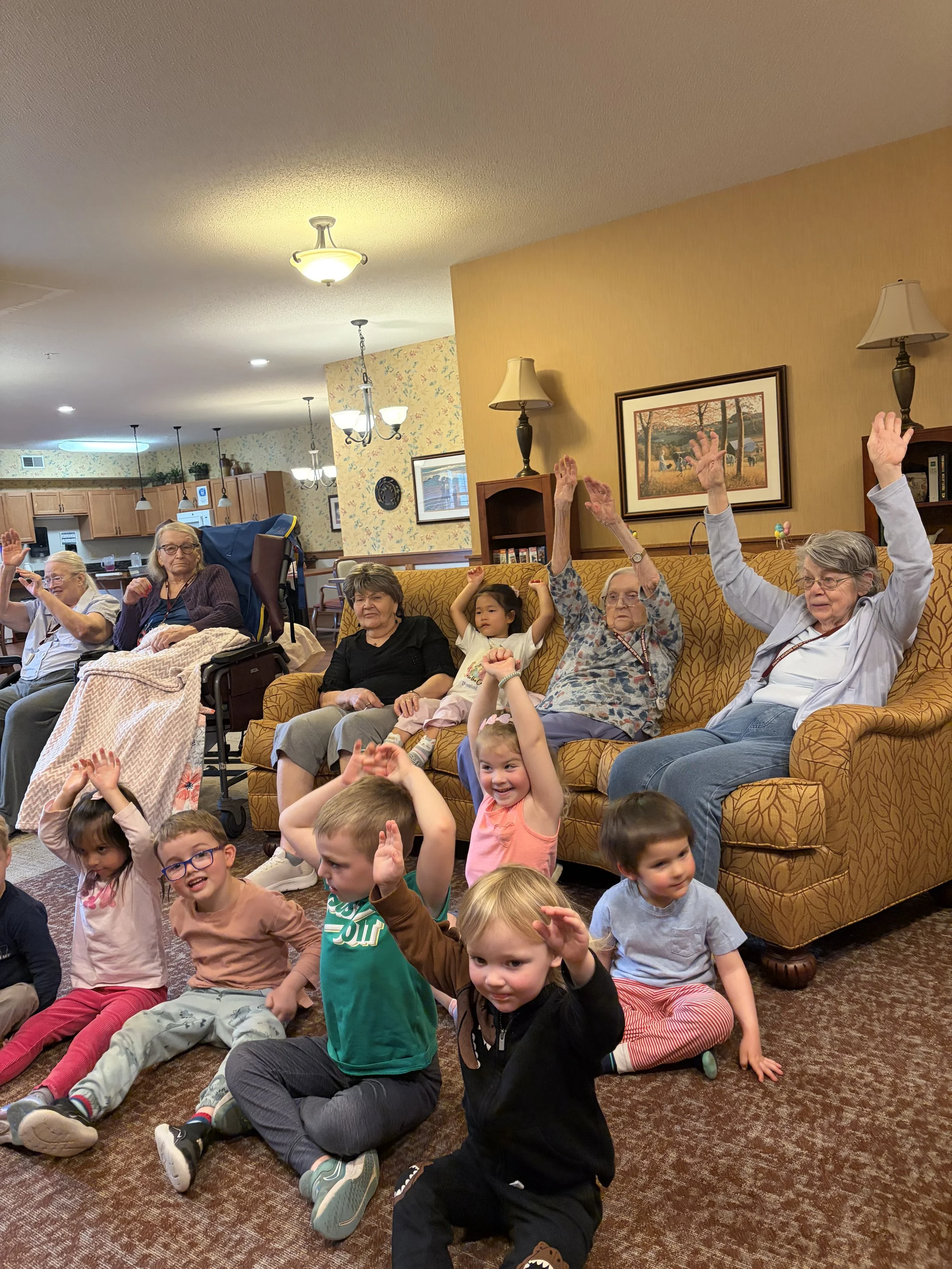
Finding just-right challenges for children is what teachers do every day. It may be more of an art than a science: observing where a child’s skills are, then gently offering a new prompt, a problem to solve, or a task to try that’s only slightly above their current comfortable level so they need to stretch a bit. Not so high out of reach that they get frustrated and give up, but also not so familiar or easy that there is no growth. Something that requires them to exert effort and sustain it. Then a teacher offers enough “scaffolding” to give them a little boost over the gap – just enough to get them started, then letting go so they can complete it on their own.
Read More
Calley Myrvold Calley Myrvold

Music is Magic

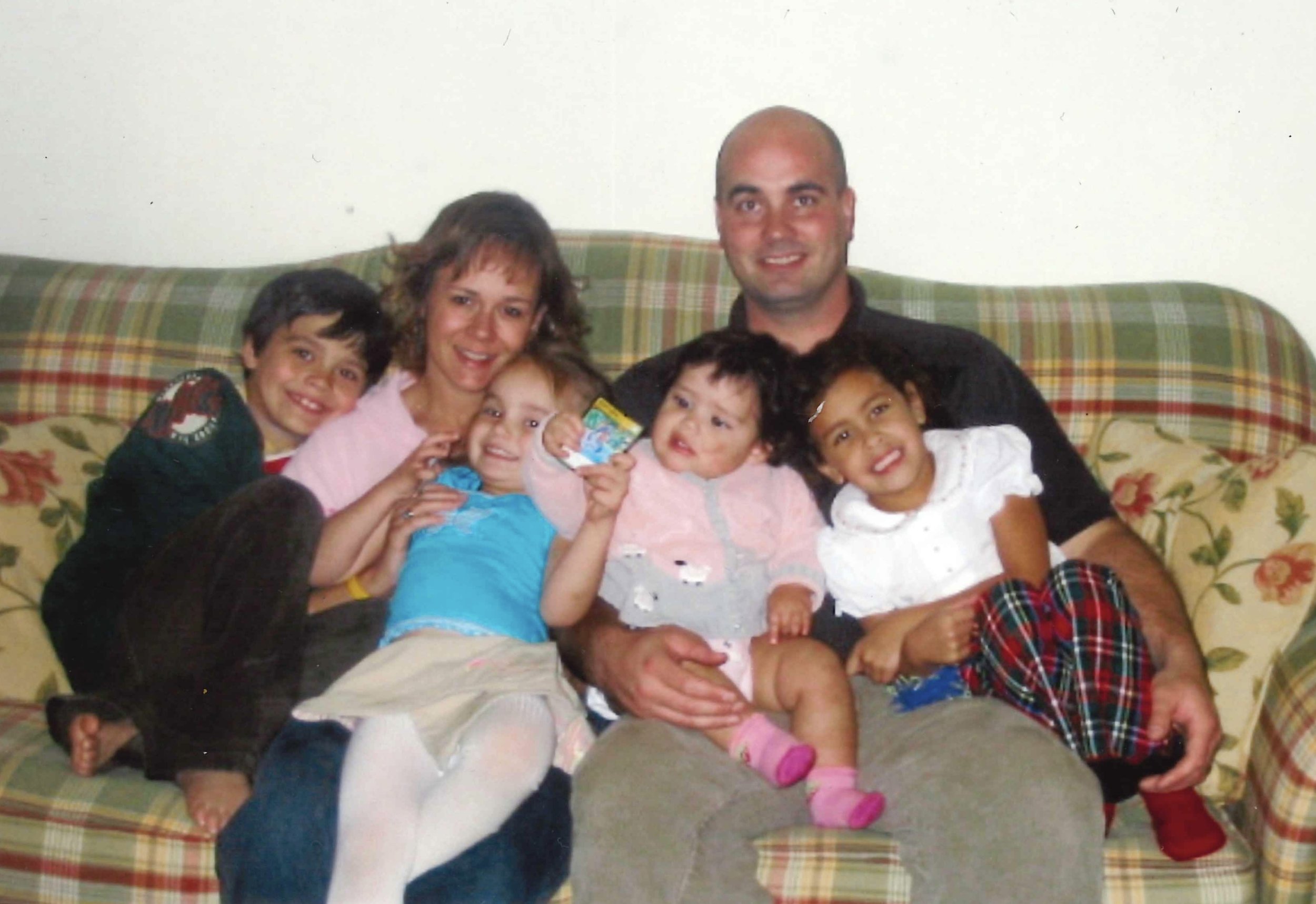
“One of the most special parts about music in our program is how it connects the children with the seniors in memory care. Even when words are hard to find, music has a way of bringing people together.”
Read More
Amy Lemieux Amy Lemieux

Little Goodbyes

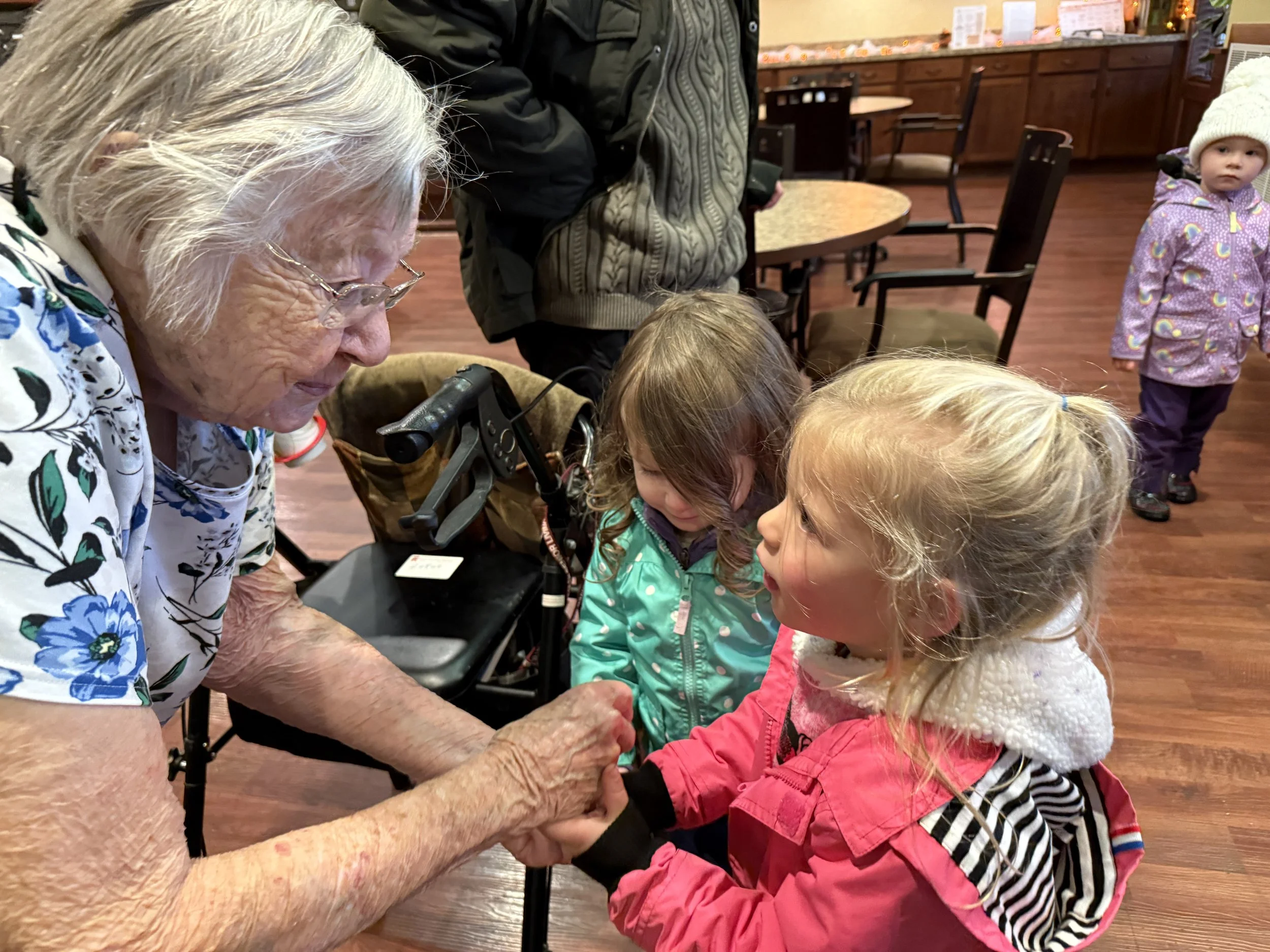
It is both a great honor and a quiet tragedy that our most important job as parents and guides of young children is to accompany them, but also lead them through a series of little goodbyes.
Read More
Jen Andrews Jen Andrews

The Mycelium of Connection 

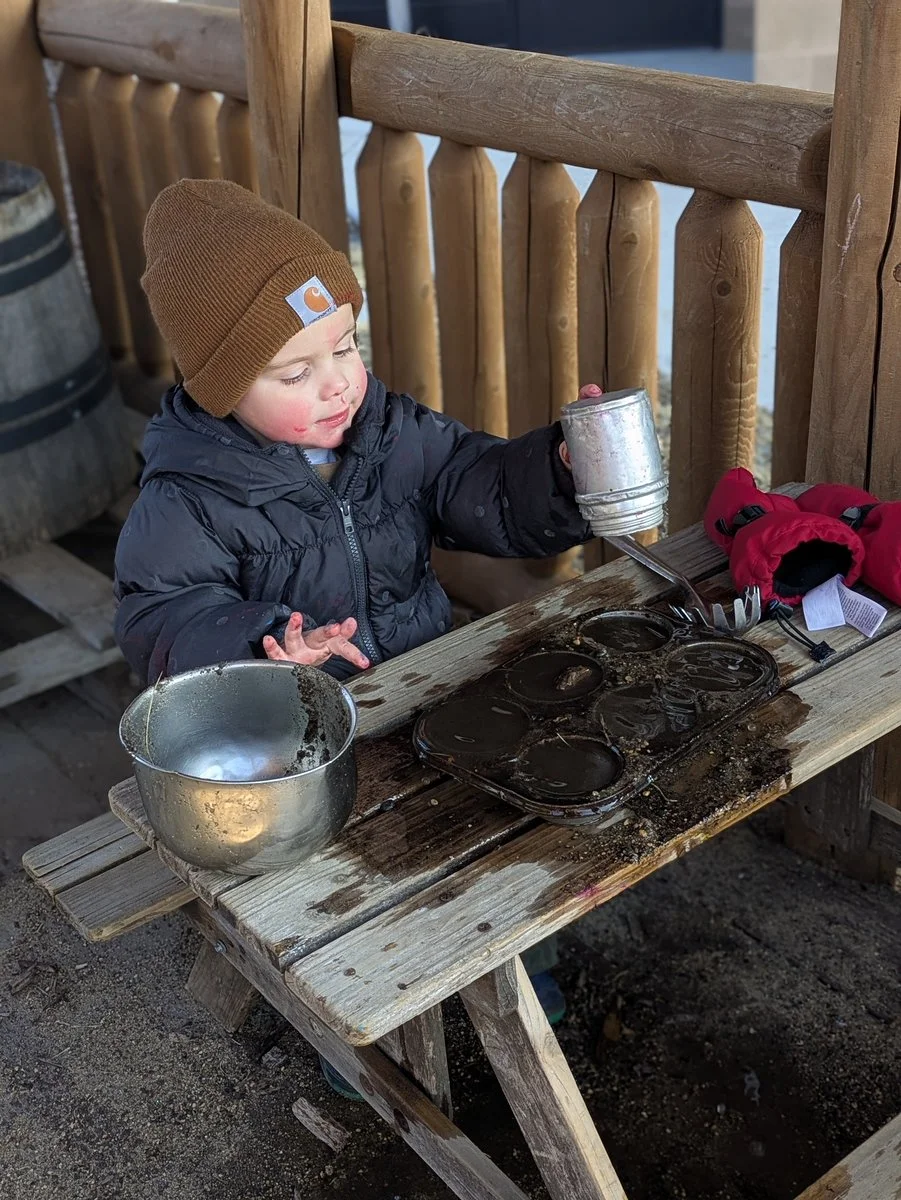
In this place where memories are cherished, but also in many cases are fading, it’s the feeling that we imbue a moment with that matters most.
Read More
Joanne Esser Joanne Esser

Learning to Wait

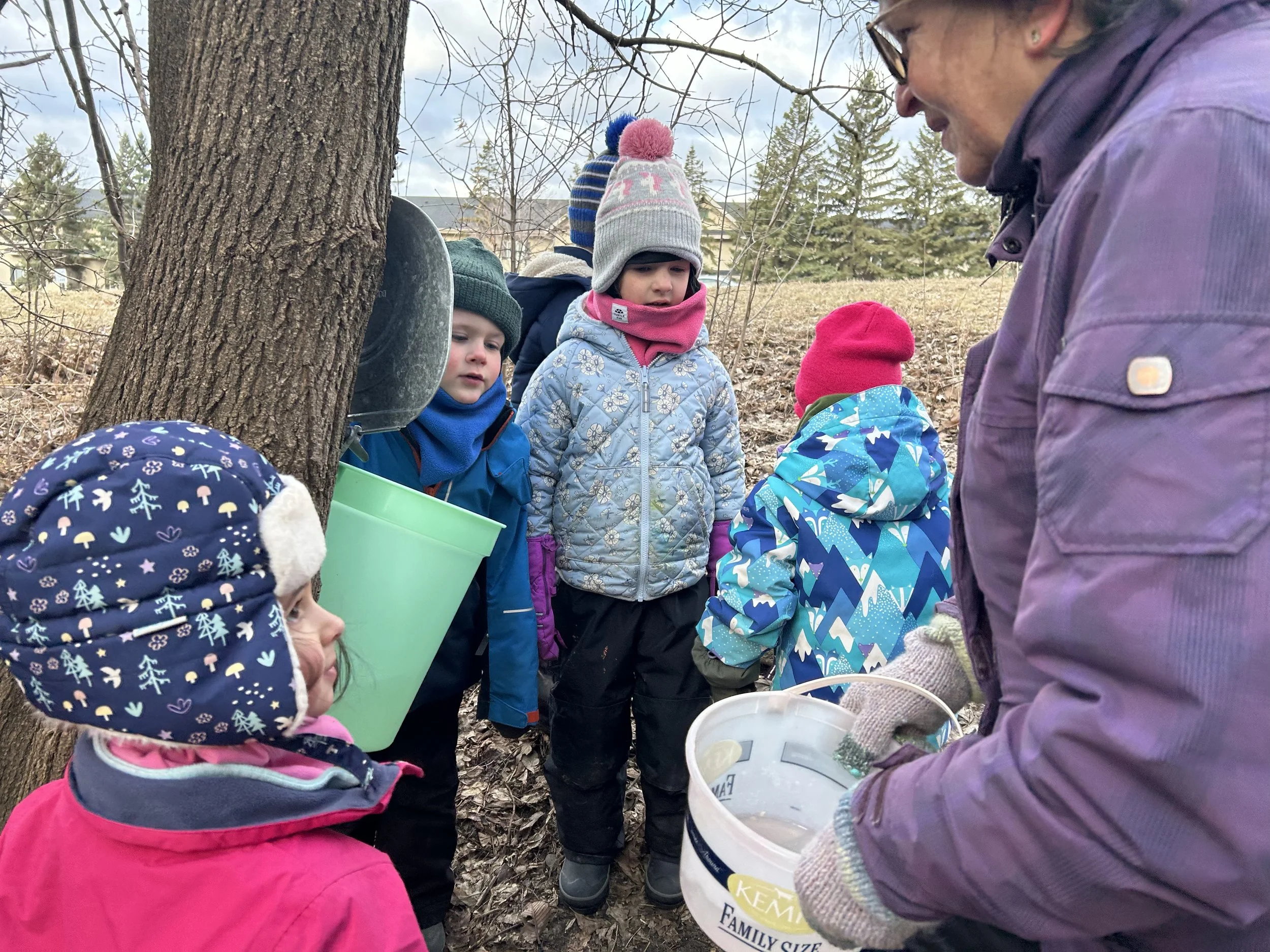
“…we adults – parents and teachers alike - must learn (and re-learn and re-learn!) how to wait. How to follow the child’s pace. How to observe the child’s process without obstructing it. How to offer support for their play without disrupting it.”
Read More
Ruby Kramer Ruby Kramer

The Worth of Long-Term Projects in Preschool

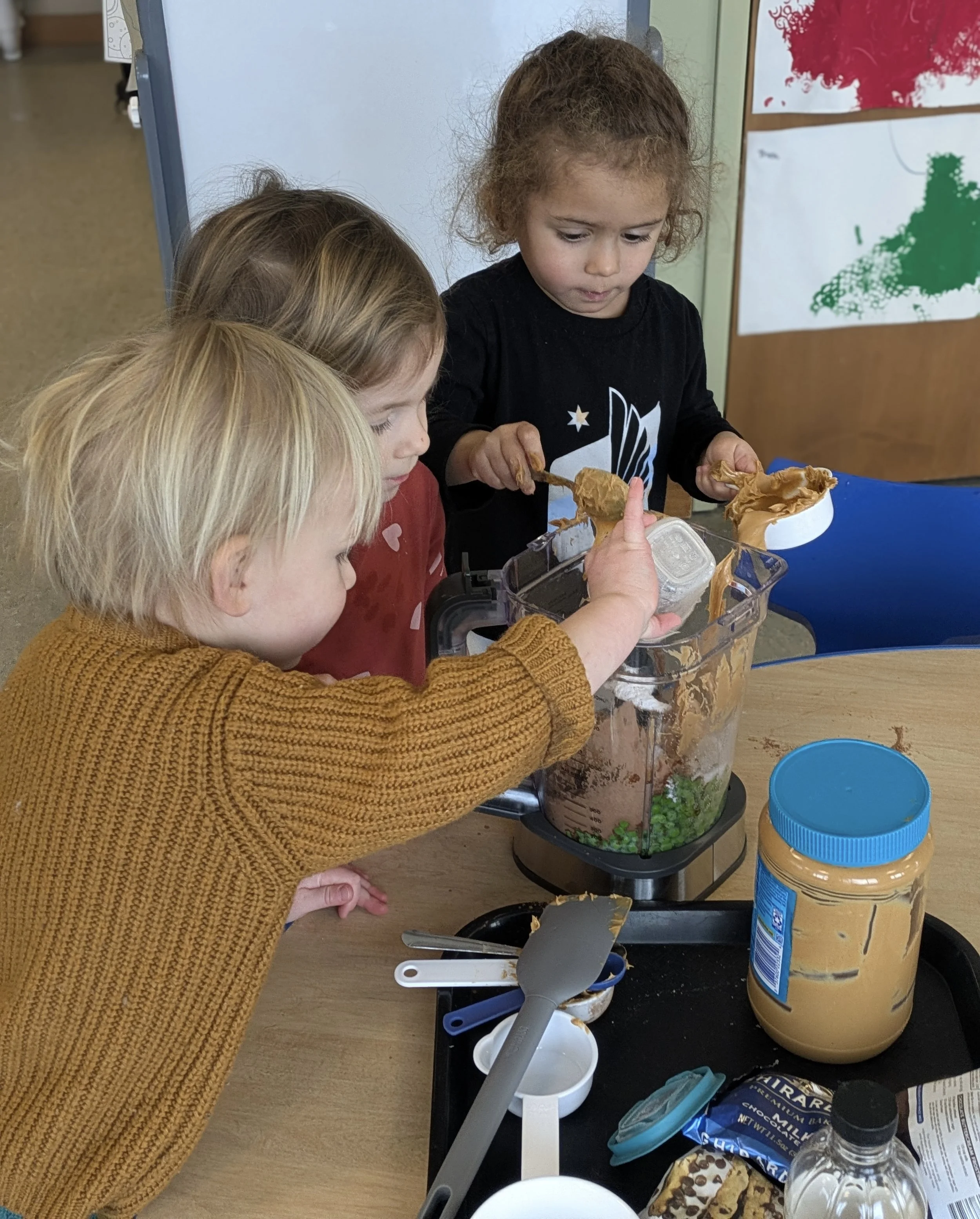
These long-term projects are such an organic way to sew together the important elements within early childhood education: collaboration, connection with the seasons and the natural world, sensory exploration of materials, and connection with others in the community. 
Read More
Amber Scheibel Amber Scheibel

Kind Kids, Strong Communities

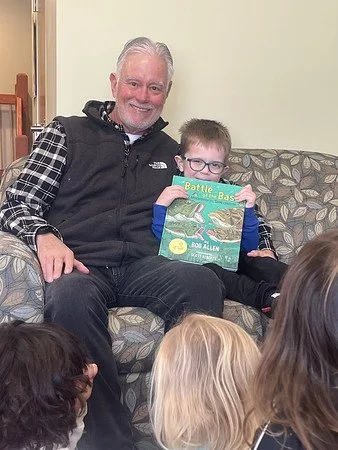
Encouraging our class to treat each other with kindness, to offer a helping hand, to notice when someone is out of sorts, to forgive, and to acknowledge mistakes or regrets teaches them what kindness looks like and feels like. They are some of the most worthwhile lessons we learn in preschool. 
Read More
Nicole Heiss Nicole Heiss

Building Community Day By Day

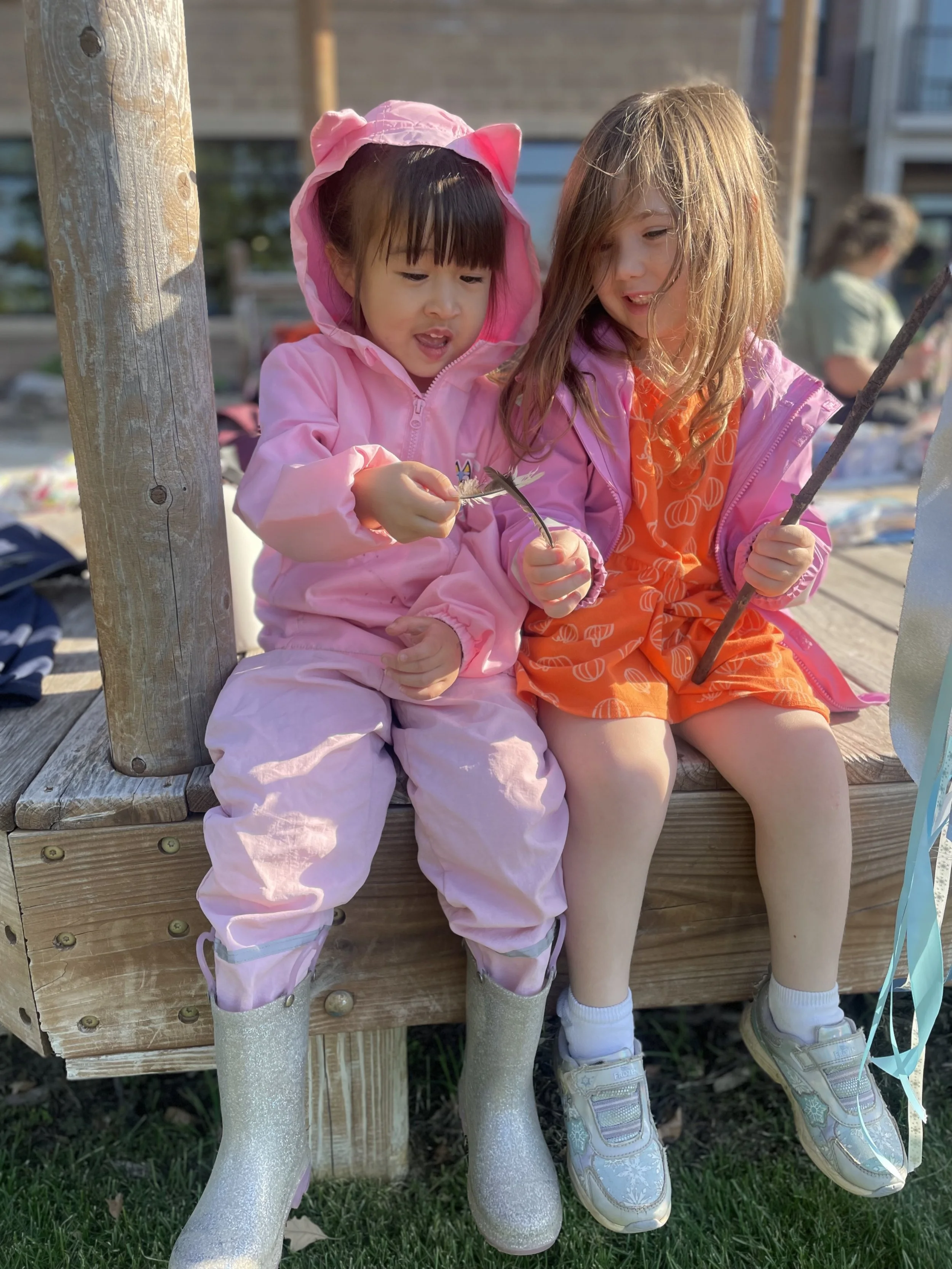
Community in a preschool classroom isn’t something that just happens; it's something we build together, day by day, through small acts of care and connection.
Read More
Erin Weaver Erin Weaver

Building Oral Language at Home and School

If we want to raise strong readers, children first need to have a strong oral language foundation. Simply put, the more words a child knows the easier it will be for them to learn to read and write when they are ready. This is why in the Autumn Room at Eagan we intentionally encourage conversations throughout the day.

Read More
Salome Colon-Kuhn Salome Colon-Kuhn

Little Learners, Big Adaptations: How Toddlers Learn to Thrive in New Seasons

At the beginning of the year, many children arrived holding tightly to their grown-up’s hand, unsure of what the day might bring. Yet, day by day, we’ve watched them adapt. They begin to recognize their teachers as trusted caregivers, find comfort in familiar classroom rhythms, and build relationships with their peers through play, laughter, and even the occasional disagreement. These moments, both joyful and challenging, are all part of how children learn to navigate the world.

Read More