
If you have a three-year-old, you may have received a postcard in the mail telling you it’s time to sign your child up for screening. While some parents are familiar with this process, many others are left wondering what exactly this entails for their child. Early childhood screening is a developmental tool used by public schools in Minnesota to assess where children are in their development. School districts ask for children aged 3-5 to be screened, and it is required for children before kindergarten. The screening is designed to be appropriate for all children, with greater expectations for four- and five-year-old’s compared to three-year-old’s.
One of the primary uses of this tool is to catch children who might benefit from extra services at a young age. This allows families to access free resources from school districts, enabling early support for their children. I believe early interventions for children are key in helping them succeed later in life. Every child develops at their own pace and has unique needs. Not passing a screening and requiring additional support is not negative; it simply means you are providing your child with the necessary tools to succeed.
The screening checks for a variety of developmental markers. Your child most likely won’t answer everything correctly, and that's ok. Included below is a list of the developmental areas and a basic idea of what your child will be asked to do.
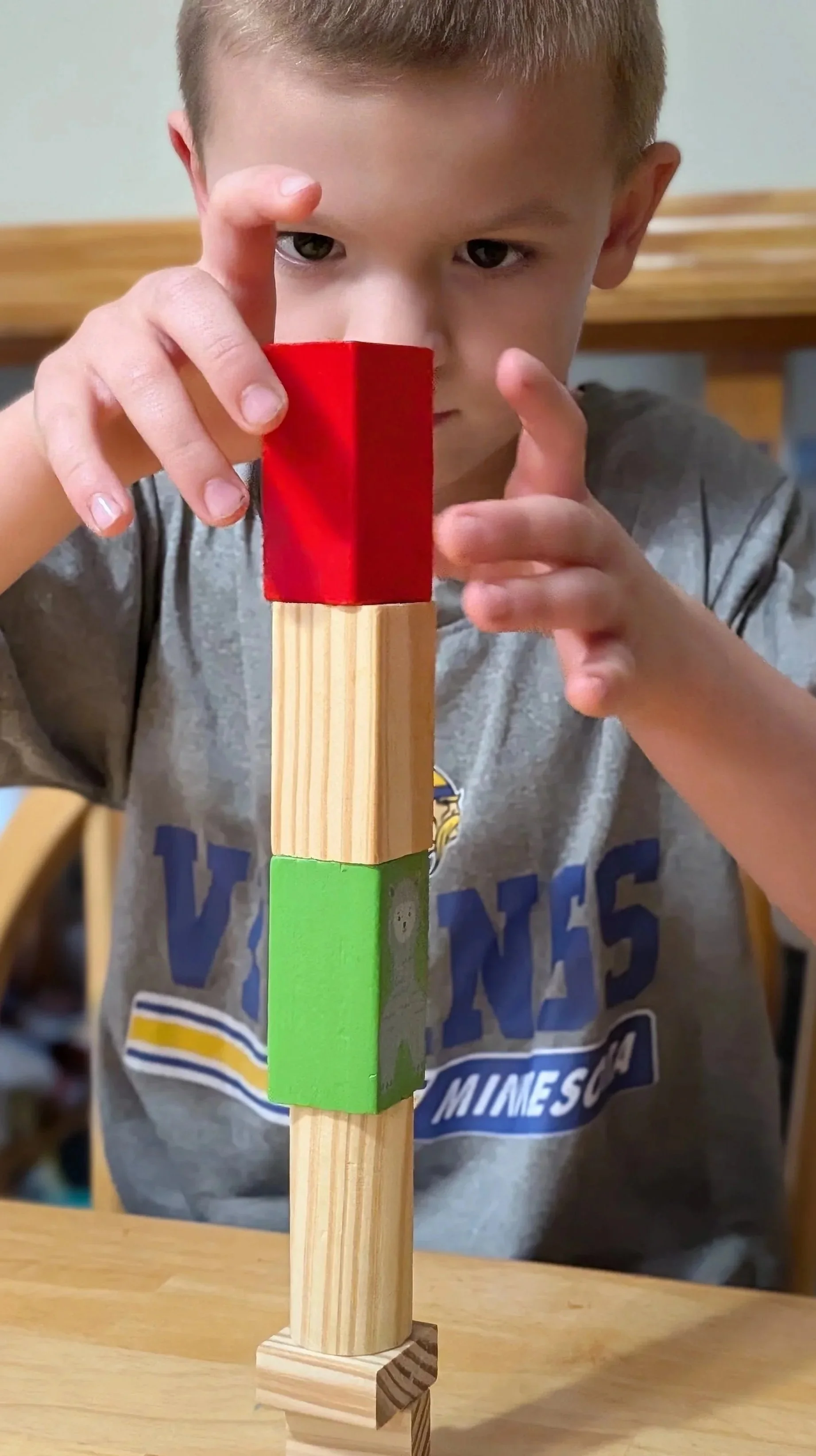
Language (receptive and expressive)
Follow simple directions
Repeat after the screener (checking for the ability to produce sounds and syllables)
Finish a sentence with an appropriate word
For four- and five-year-olds:
Letters
Alliterations
Rhyming
Math
Counting
Understand the concepts of:
More/less
Longer/shorter
Quantity
Cognitive
Follow patterns
Have a basic understanding of the world around them, with the ability to answer simple questions
Balance
Balance on one foot
Jump up and down on one foot
Hearing and vision test
The screener will give your child a test to make sure they can see and hear appropriately. If they don’t pass, you will get a referral to bring to your doctor for further evaluation. This may mean your child needs glasses or needs a further hearing exam.
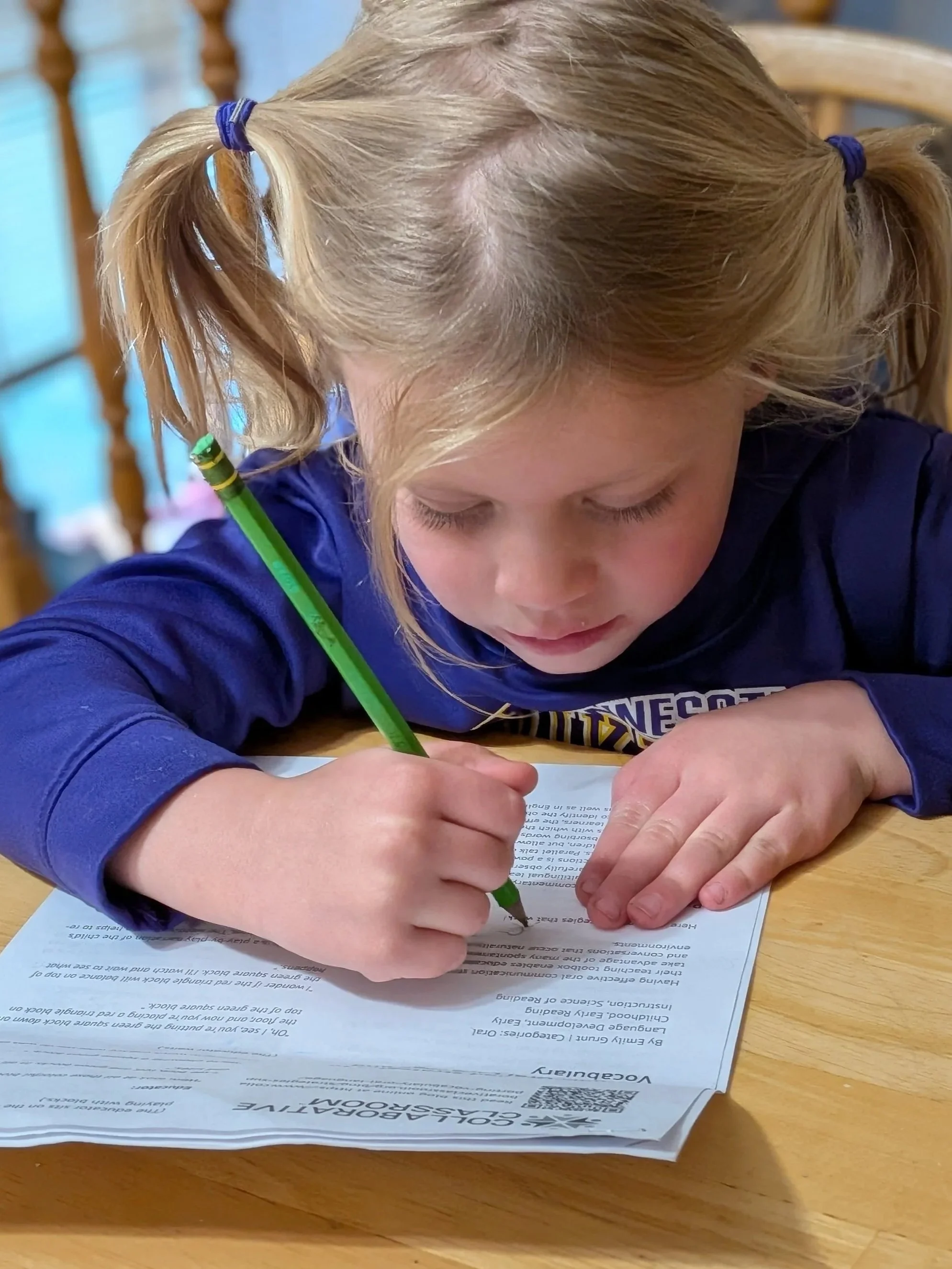
Another part of screening involves parents completing a health summary and paperwork on social/emotional development. This is a wonderful opportunity for you to bring up any concerns you may have and get support from an expert in child development. All of the services provided to a child who needs them are free. These may include occupational therapy (OT), speech, or physical therapy (PT).
Remember, you are your child's best advocate in ensuring they get every available resource. Early interventions for children in need will give them the support they need to be more successful each day. If you have any questions or aren’t sure if your child is reaching the milestones listed above, schedule a screening and check in with your child's preschool teacher to see how everyone can work together.